

Innovation with integrity
At Isodyne Energy Solutions, our research and development pushes the boundaries of what's possible in advanced energy, cryogenics, and biomedical engineering. We combine ambitious science with rigorous responsibility, delivering breakthroughs that are not only transformative but also inherently safe and reliable. Discover how our disciplined approach to innovation creates real-world impact and builds trust in advanced technology.
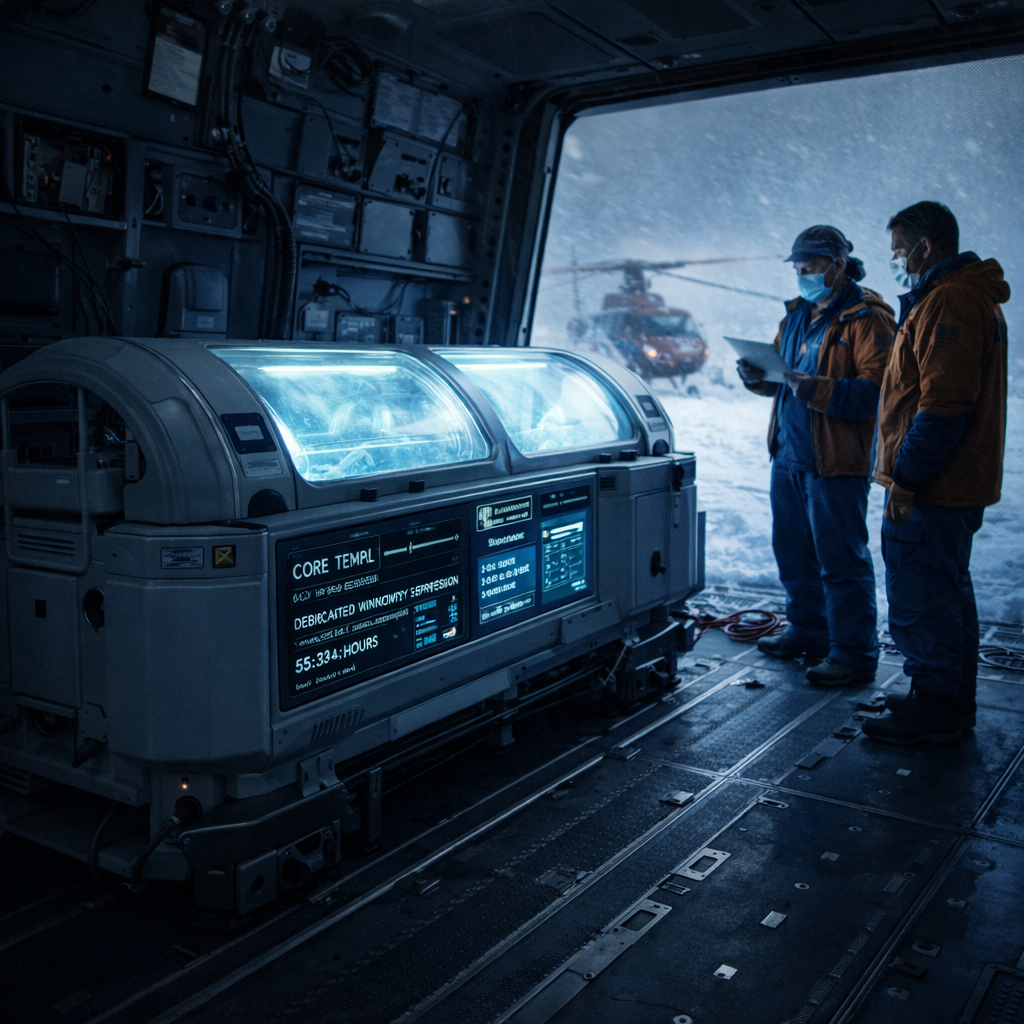
Advanced Biostasis and Trauma Stabilization Systems
Isodyne’s most human-facing breakthrough, this program focuses on controlled suspension and stabilization of living systems at the edge of survivability. We emphasize rapid cryogenic stabilization for severe trauma, extending transport windows for critical patients, and developing preservation protocols that prevent cellular damage. Our work buys critical time where it normally doesn’t exist, in disaster zones, remote regions, and extreme medical scenarios.
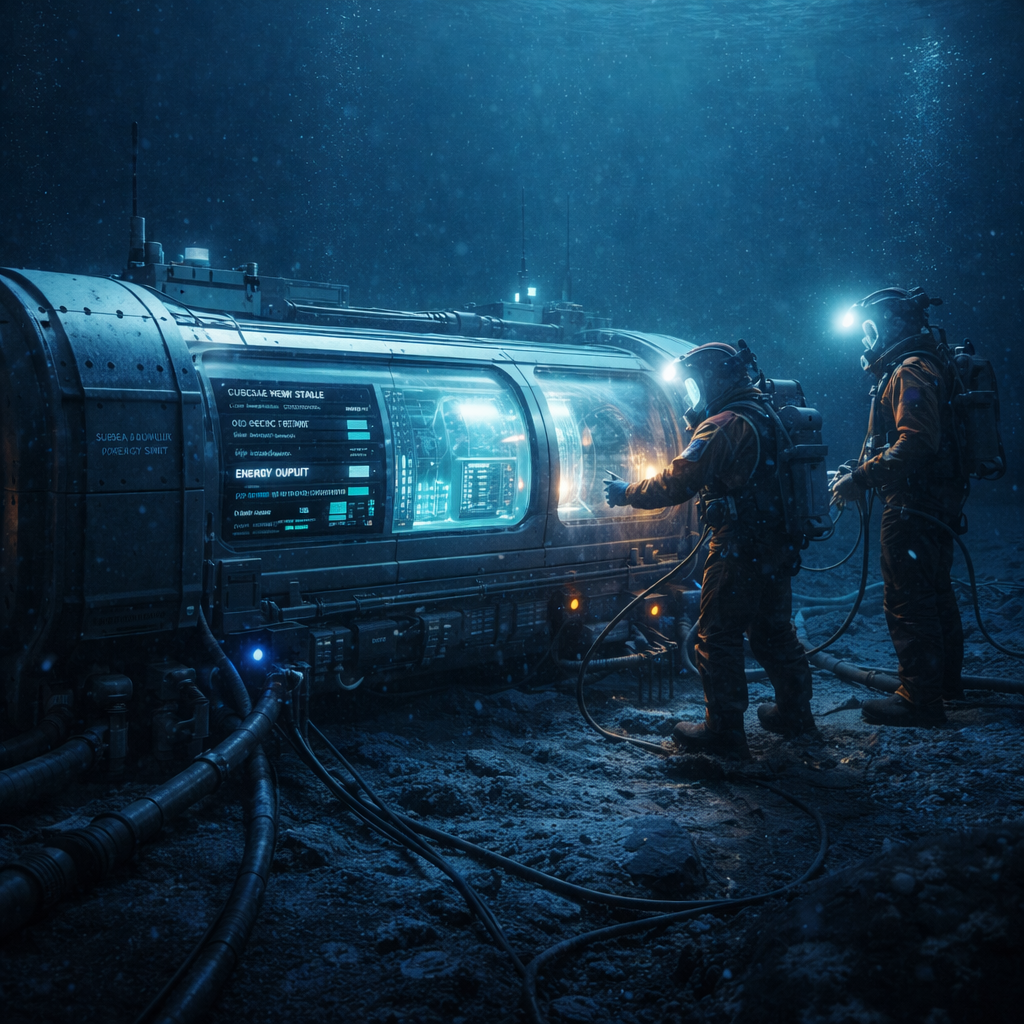
Extreme-Environment Energy and Thermal Infrastructure
We develop energy systems designed to function reliably in the most hostile environments—polar, deep-sea, high-altitude, and beyond. Our R&D focuses on thermal regulation, resilience, and long-duration autonomy. The breakthrough lies in stability under stress, enabling continuous science, monitoring, and healthcare access in currently unreachable or unreliable places.
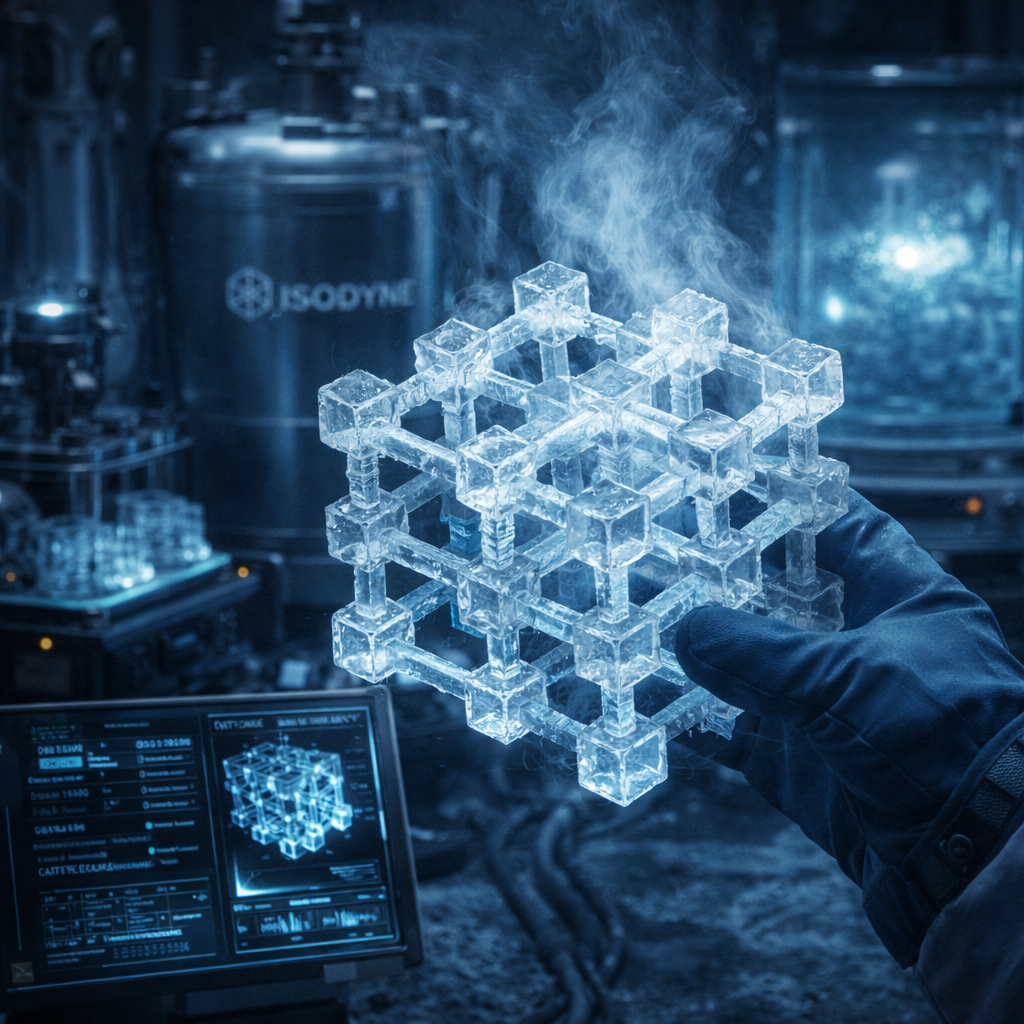
Cryogenic Materials and Lattice-Stabilization Research
The technical heart of Isodyne, this program investigates materials and structural systems that maintain coherence under extreme thermal gradients and energetic loads. We emphasize lattice behavior, failure-mode prediction, and controlled reversibility, understanding not just how materials perform, but how they fail, and how to design against catastrophic outcomes.
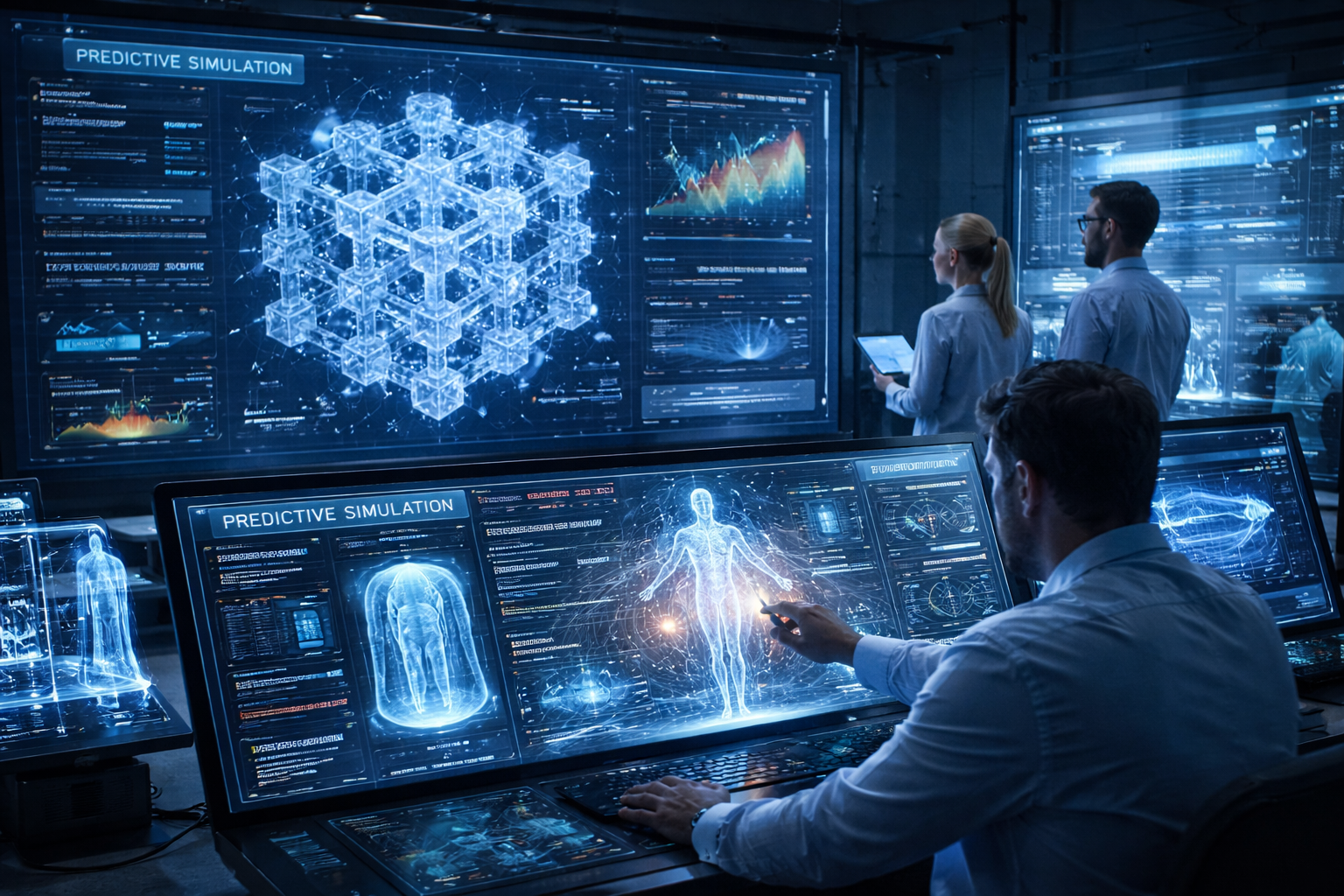
Predictive Modeling, Simulation, and Risk Engineering
A key differentiator, this program ensures governance and safety from the outset. Advanced computational models simulate biological, energetic, and cryogenic behavior under stress before physical systems are built. This embeds safety margins and reversibility into the design phase, resulting in fewer unknowns, fewer irreversible mistakes, and technologies defensible to all stakeholders.

Integrated Control and Reversibility Architectures
This program ties all our efforts together. We emphasize R&D focused on pause, rollback, and shutdown capabilities in life-critical and energy-dense systems. Unlike competitors who optimize only for performance, we engineer restraint as a first-class requirement, ensuring trust through systems that can be stopped, stabilized, or reversed without cascading harm.
Our impact: research for a safer, more capable future
At Isodyne, research is never abstract. Every innovation is evaluated by a single, practical question: does this reduce harm, preserve life, or expand human capability without creating new risk? Our work buys critical time for life preservation, expands access to vital resources in extreme environments, prevents catastrophic failure through foresight, and embeds responsibility into every engineering requirement. We don't just innovate; we build trust in advanced technology by making it safer to act decisively when stakes are highest.

Our unique approach: governed innovation
Isodyne’s R&D stands out because innovation is treated as a governed system, not a race. We design research around consequences, embedding governance, ethical review, and accountability directly into our workflows. Predictive certainty replaces trial-and-error, interdisciplinary integration is the default, and reversibility is a core objective. This institutional maturity allows us to pursue difficult, high-stakes science responsibly, ensuring that powerful tools remain under human control and serve humanity’s long-term benefit.
Confidence grounded in restraint
After exploring our research, we want you to feel a deep confidence in Isodyne. A confidence born from understanding that we do extraordinary things, but always choose carefully when and how. You should trust that our high-risk science is understood, modeled, governed, and controlled. We invite partners, regulators, and institutions to engage with us, and all stakeholders to accept the legitimacy of our disciplined capability. This isn't research that hopes to be responsible; it's research designed to be responsible from the beginning.